How to Reduce Utility Strike Risk on Construction Projects
Learn how to reduce utility strike risk on large-scale construction projects with proven strategies like hydrovac excavation, utility locating, and jobsite coordination.
.webp)
Learn how to reduce utility strike risk on large-scale construction projects with proven strategies like hydrovac excavation, utility locating, and jobsite coordination.
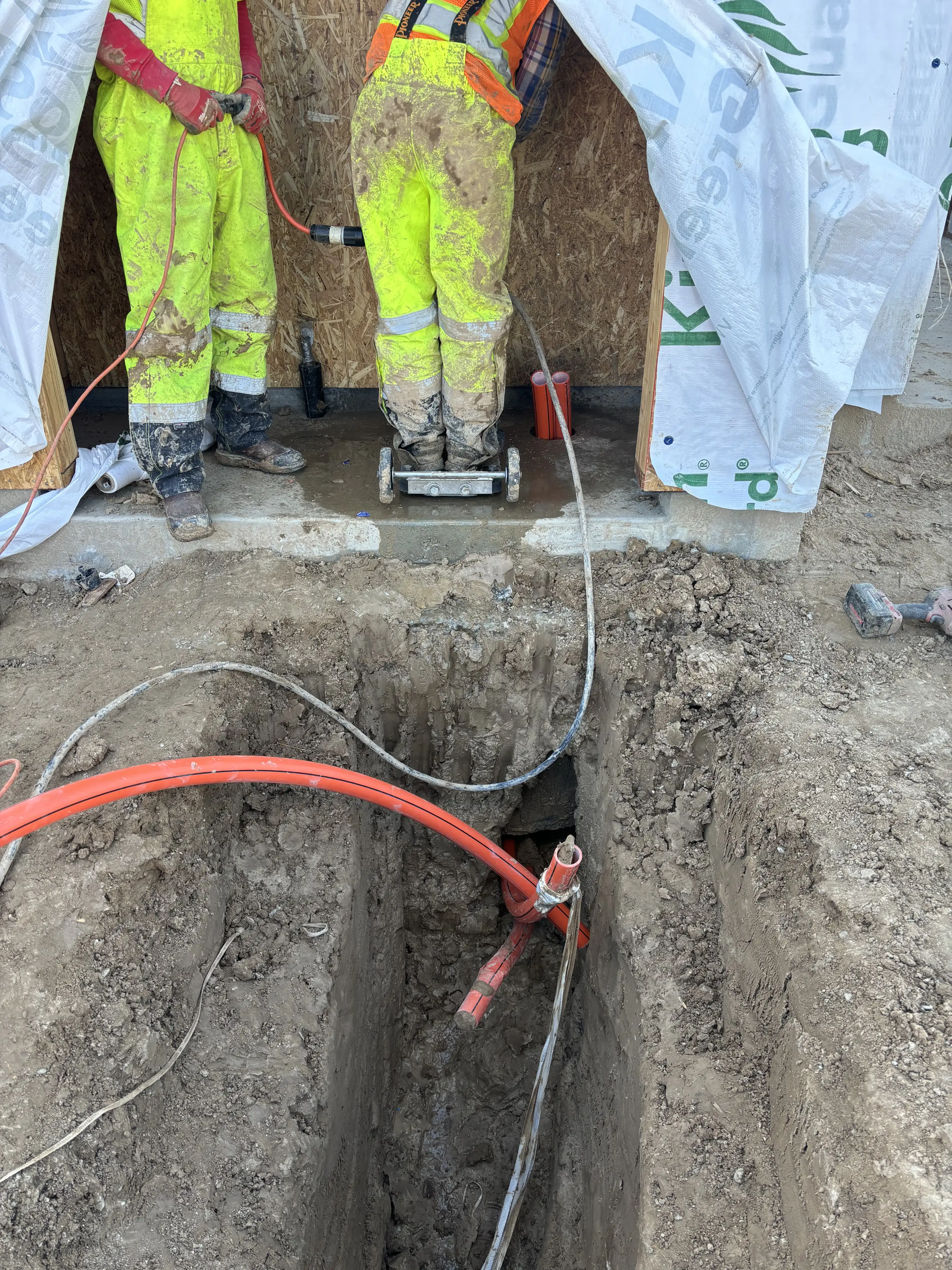
Reducing Utility Strike Risk in Construction Projects
Large-scale construction projects come with a lot of moving parts — tight timelines, multiple crews, heavy equipment, and constantly changing site conditions. But one of the biggest risks on any jobsite isn’t always visible: what’s underground.
Utility strikes can lead to serious safety incidents, costly delays, damaged infrastructure, and even legal issues. The good news is that most of these risks are preventable with the right planning, coordination, and field practices.
Below are practical strategies to help reduce utility strike risk and keep your construction project moving safely and efficiently.
The foundation of safe excavation starts long before equipment hits the ground.
Pre-construction planning is where most utility strike risks are either reduced - or unintentionally introduced.
At this stage, it’s critical to:
However, utility maps are often incomplete or outdated. According to the Common Ground Alliance, many utility damages occur due to inaccurate or missing information.
That’s why planning should never rely on records alone.
Calling 811 is essential, but it’s not always enough for large-scale or complex construction projects.
Public utility locating typically identifies:
But it often misses:
To reduce risk, many contractors use:
SUE provides a more accurate picture of underground conditions by combining records, surface scanning, and verification methods.
This is especially important in:
Even with proper locating, verification is critical.
Potholing is one of the most effective ways to reduce utility strike risk. It allows crews to physically confirm the exact location and depth of underground utilities before excavation begins.
Benefits include:
This step is essential when:
Choosing the right excavation method plays a major role in reducing risk.
Traditional excavation methods are efficient but can increase the chance of utility damage in uncertain areas.
That’s why many contractors use hydrovac excavation when precision is required.
Hydrovac excavation:
According to OSHA, using safer excavation practices and methods significantly reduces jobsite incidents.
Best practice:
Poor communication is a leading cause of utility strikes.
On large projects, multiple crews and contractors are often working simultaneously, increasing the chance of misalignment.
To reduce risk:
Everyone on-site should understand:
Utility markings can quickly become unreliable if not maintained.
They may:
To prevent issues:
Lack of coordination between contractors and crews is a major risk factor.
For example:
To avoid this:
Strong coordination ensures everyone is working from the same information.
Reducing utility strike risk isn’t just about processes - it’s about mindset.
Successful teams:
Creating a safety-focused culture means:
Even with proper planning, unexpected utilities or conditions can appear.
The key is knowing how to respond:
A controlled approach prevents small issues from becoming major problems.
Utility strikes are one of the most preventable risks in construction.
By focusing on:
Contractors can significantly reduce risk and improve project outcomes.
In underground construction, precision and preparation make all the difference.
Continue learning with additional articles focused on underground construction, safety, and project planning:


%20(1).webp)